1
Bonding Issues
In some non-OEM touch assemblies, the touch sensor is not properly bonded to the metal frame. This may reduce structural support and increase the likelihood of cracks during handling, installation, or field use.
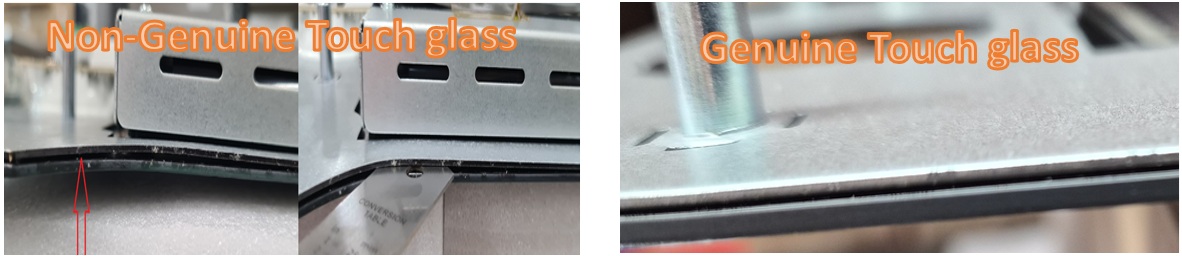
Genuine Parts Verification
Non-OEM touch assemblies may look similar, but differences in bonding quality, traceability, glass specification, and touch-controller performance can create reliability and compliance risks in regulated gaming environments.
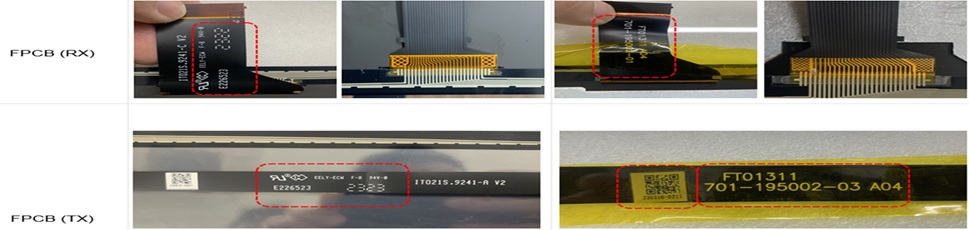
In practice, non-OEM touch assemblies can contribute to field failures such as no-touch, intermittent touch, communication issues, and premature breakage. Genuine TOVIS parts support traceability and consistency for service, diagnostics, and RMA management.
Key Risk Areas
Click any image to enlarge.
In some non-OEM touch assemblies, the touch sensor is not properly bonded to the metal frame. This may reduce structural support and increase the likelihood of cracks during handling, installation, or field use.
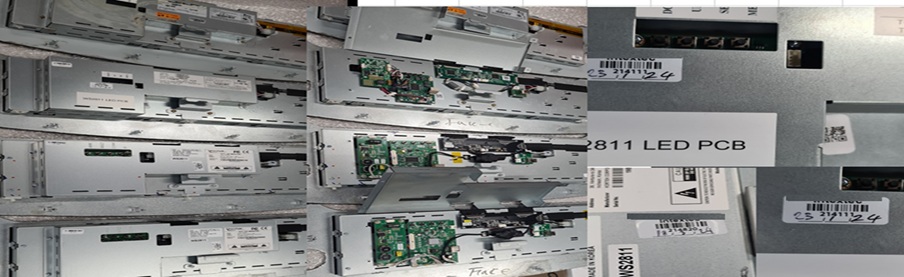
Part numbers and identification labels on non-OEM components may not match genuine TOVIS original parts. This makes verification, traceability, and service history control more difficult.
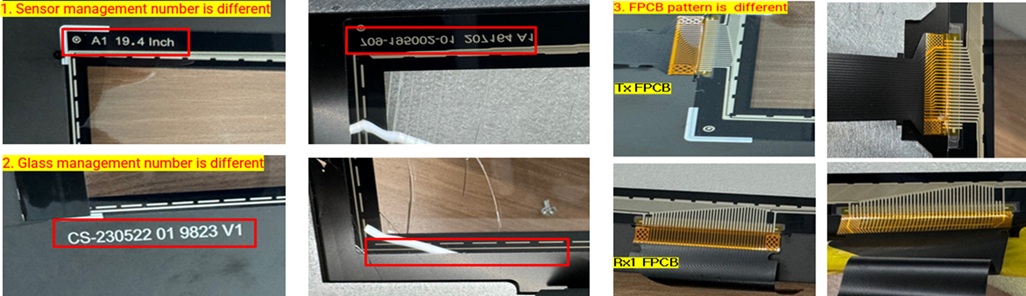
Non-OEM touch assemblies may use soda-lime glass, while genuine TOVIS touch assemblies use GG3 glass designed for durability and stable performance in demanding gaming environments.
Non-OEM touch assemblies may be more vulnerable to cracking and shattering under repeated use, impact, or frame stress. This can increase downtime and replacement costs.
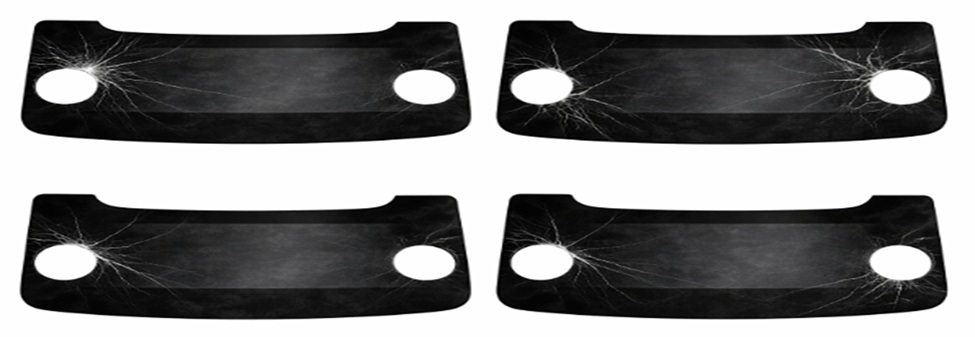
iDecks fitted with non-OEM touch assemblies may experience touch malfunction, input errors, or communication faults between the touch controller and the EGM.
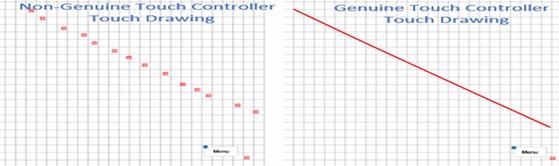
Service returns (RMAs) may contain units fitted with non-OEM touch assemblies or related parts. This can complicate fault isolation, warranty assessment, and root-cause analysis.
Quick Reference
| Checkpoint | Non-OEM Risk | Genuine TOVIS Expectation |
|---|---|---|
| Frame Bonding | Incomplete or inconsistent bonding | Consistent bonding to frame and assembly fit |
| Part Number / Label | Mismatched or unverified identifiers | Traceable part code / serial / QR identification |
| Glass Specification | Soda-lime glass may be used | GG3 glass for durability/performance |
| FPCB / Controller Pattern | Pattern/layout differences | Known genuine design and markings |
| Field Performance | No touch, errors, communication issues | Stable touch operation and diagnostics |
Evidence Photos
Support
If you want, I can also prepare a second page for your GitHub site with a searchable table of part numbers (e.g., touch glass, touch controller, LCD modules) and a simple contact form layout.